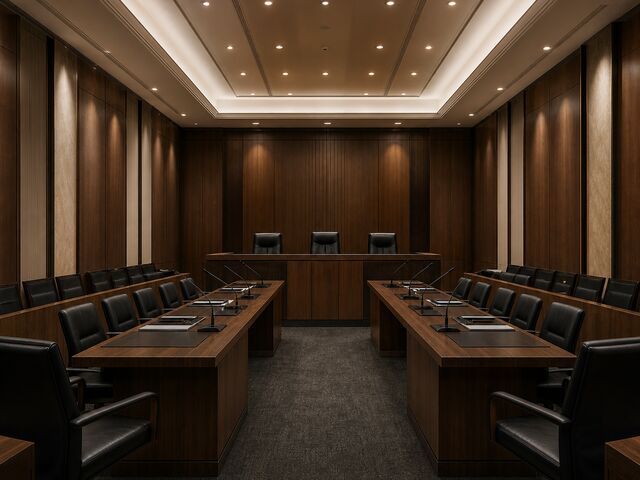
Most disputes are won or lost on preparation: a clear read of the documents, an honest view of the evidence, and a realistic sense of timelines and cost. We begin there. Before any proceeding is filed, we advise on whether the matter is best pursued in court, before an arbitral tribunal, through mediation, or settled on the right terms.
Procedure matters as much as substance. Limitation, jurisdiction, valuation, the form of the pleadings and the manner in which documents are proved decide a large number of cases before the merits are reached. We treat these as the first questions in a file, not the last.
We appear before the District Courts and Commercial Courts, the High Court of Kerala and, where required, the Supreme Court of India, together with tribunals and arbitral panels.
Forums
Other areas
Civil litigation
Suits for recovery, specific performance, declaration, injunction and damages under the Code of Civil Procedure, 1908, including summary suits under Order XXXVII and applications for temporary injunctions under Order XXXIX.
Commercial disputes
Disputes governed by the Commercial Courts Act, 2015, including pre-institution mediation under Section 12A where no urgent relief is sought. The Act’s strict timetable for pleadings and documents means the record must be built carefully from the start.
Arbitration
Advice on arbitration clauses; interim measures under Section 9, appointment of arbitrators under Section 11, conduct of proceedings before tribunals, challenges under Section 34 and enforcement under Section 36 of the Arbitration and Conciliation Act, 1996, and enforcement of foreign awards.
Mediation and settlement
Structured negotiation and mediation, including court-referred mediation. Settlement terms are drafted so that they can be executed without a second round of litigation.
Cheque dishonour
Complaints and defences under Section 138 of the Negotiable Instruments Act, 1881. The statute prescribes strict time limits for the demand notice, the payment period and the complaint, and we calendar each from the first day.
Recovery and execution
Execution of decrees and orders under Order XXI of the Code of Civil Procedure, including attachment and sale, and proceedings before Debts Recovery Tribunals for institutional recoveries.
- 01
Assessment
We review the documents and chronology, check limitation and the correct forum, and give a written view of the claim or defence, the likely course of the matter and its cost.
- 02
Strategy and notice
Where appropriate, we send a notice or response, explore settlement, and decide on the forum and the interim relief, if any, that should be sought.
- 03
Proceedings
We prepare pleadings, evidence and applications around the points the court will actually decide, and appear at each hearing.
- 04
Resolution and enforcement
We advise on judgment, appeal or settlement, and carry the matter into execution so that the outcome has practical value.
Frequently asked questions.
General information only. Your circumstances may differ, and this is not legal advice.
How long will my case take?
It depends on the forum, the nature of the dispute and the conduct of the parties. We give a realistic range at the assessment stage rather than a promise. Commercial litigation and arbitration have statutory timetables, but delay can still arise, particularly at the stage of challenge and enforcement.
Is there a time limit for filing a suit?
Yes. The Limitation Act, 1963 prescribes periods for different claims. A claim for breach of contract, for example, is generally subject to a three-year period from the date the right accrues, but the position differs by claim. Take advice early, because a claim filed out of time can be dismissed regardless of its merits.
A cheque issued to me has been dishonoured. What should I do?
Under Section 138 of the Negotiable Instruments Act, a written demand notice must generally be sent within 30 days of receiving information that the cheque was returned. The drawer then has 15 days to pay, and a complaint must be filed within one month after that period expires. These periods are strict, so do not delay.
Is arbitration faster than going to court?
Not always. Arbitration offers privacy, a tribunal of the parties’ choice and a limited route of appeal, but the process depends on the arbitrators and on the cooperation of the parties, and challenges and enforcement still go to court. It suits some disputes better than others.